
The Righteous Hoodie Color Range: Finding the Right Match for Your Look
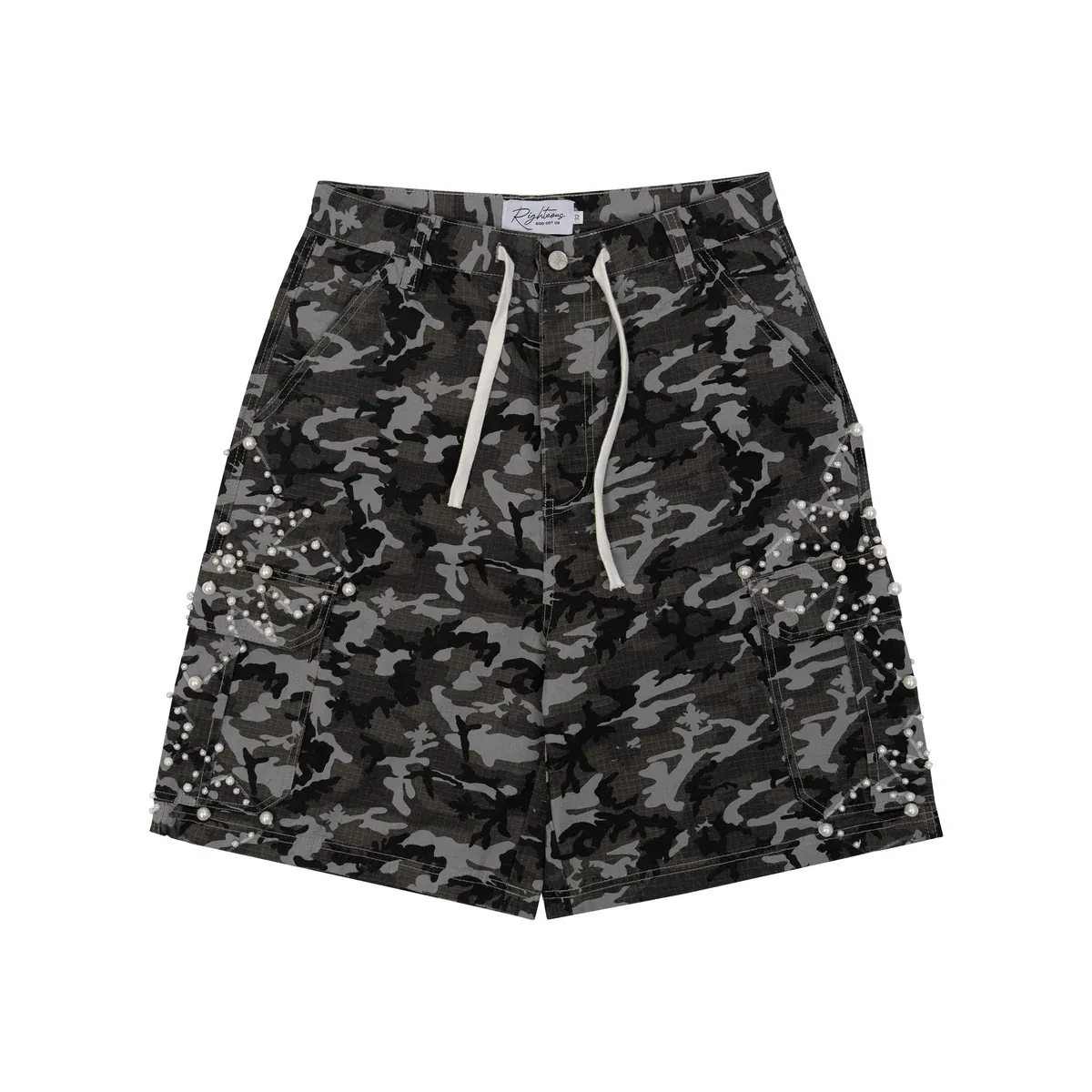
Until it lands in your wardrobe, choosing a hoodie colorway feels like a small call — but then it either gets worn weekly or hangs there untouched. We Are Righteous constructed its hoodie collection around this very challenge, offering a array of shades that cover neutral basics, bolder standout colors, and a few in-between options that suit multiple seasons. This breakdown lays out how to weigh up picking a color, what each shade family signals, and how the choice influences how it’s styled, cared for, and worn over time. Whether you’ve just discovered the righteous clothing brand or already have one piece and are weighing your next pick, the point of this is to make the choice easier and less second-guessed.
Color choice in streetwear goes beyond mere looks. It shapes how often a piece really gets worn, how it photographs, how it layers with the rest of a wardrobe, and how forgiving it is with wear and washing over time. Pick the wrong shade for a daily rotation and it turns into a once-a-month item — pick the right one and it becomes a weekly go-to. That difference counts for more than most buyers realize when they’re browsing listings and picking based on a single photo.
Why the Color Decision Deserves More Attention
Most shoppers settle on black or grey because they figure neutrals are the safe choice, and more often than not they’re right. But safe doesn’t always mean the ideal match for an individual’s existing wardrobe or skin tone. A cool-leaning grey looks different under fluorescent office lighting than it does outdoors, and a warm-toned neutral can clash with certain jean shades or outerwear tones already part of the wardrobe. Righteous apparel design accounts for this by maintaining consistent dye lots, which matters because dye-lot variation is among the top gripes with budget streetwear — righteous-clothing colors shift between orders and customers wind up with two „black” hoodies that aren’t truly the same shade.
There’s also a real-world washing consideration. Darker colorways conceal pilling and minor stains longer, which extends the visual lifespan of a garment from wash to wash. Paler, pastel-leaning tones reveal wear sooner but look better in photos for frequent posters who share fit pics often. Anyone checking a Righteous review beforehand will usually see this trade-off mentioned — shoppers are concerned with how a hoodie looks in month six, not just when it first arrives. The weight of the fabric also interacts with color: heavier cotton blends tend to retain bold colors more effectively through repeated laundering than lighter fabrics, which lose color sooner no matter the dye quality.
Understanding the Righteous Hoodie Color Categories
The righteous hoodie lineup commonly separates into three usable categories for customers looking to create an outfit system that hangs together: foundational neutrals, bold standout shades, and crossover colorways. Core neutrals cover black, charcoal, and off-white — these are the colorways that integrate into almost any existing wardrobe without demanding a rethink of accompanying pieces. Richer standout colors encompass shades like deep burgundy, forest, or navy, which carry extra character without venturing into anything that restricts styling flexibility. In-between tones occupy the middle ground, typically toned-down, chalky versions that work across three seasons but come across in a shifted way depending on lighting and what they’re paired with.
Understanding which group a colorway belongs to helps customers steer clear of overbuying in a single direction. A frequent pitfall is buying three hoodies that are all technically different colors but indistinguishable in practice in their styling role — three dark neutrals, for example, when one dark neutral and two more distinct tones would produce a wider range of looks. This is a detail that goes unnoticed in a single-item product photo but turns apparent once a buyer owns more than one piece from the collection.
How to Match Shades to Skin Tone and What’s Already in the Closet
Skin tone influences how a shade appears far more than most people factor in. Warm-leaning complexions generally pair well with olive, rust, and warm neutral shades, while cool-leaning complexions tend to favor true black, navy, and frosty grey tones. This isn’t a hard rule, but it accounts for why the same hoodie can appear great on one person and somewhat dulled on another despite identical fit and fabric. Those uncertain about their undertone can run a simple test: gold jewelry that looks better than silver against the skin usually signals warm undertones, and the opposite usually signals cool undertones.
Existing wardrobe matters just as much. Someone whose closet leans toward warm earth tones — olive jackets, brown boots, tan pants — will get more mileage from a righteous hoodie piece in a matching shade than from an unrelentingly black option that forces the creation of an entirely separate outfit around it. The smartest approach to building a wardrobe is to select a tone that bridges two or more current outfit groups instead of one that pairs solely with just one pair of pants already in the closet.
Righteous Hoodie Colorways Compared
The chart that follows breaks down the core colorway options based on adaptability, seasonal wear, and maintenance — three considerations that carry more weight day to day than first-glance looks.
| Colorway | Best For | When to Wear It | Maintenance Level |
|---|---|---|---|
| Black | Daily rotation, mixing into layered outfits, low-maintenance rotation | All seasons | Light — disguises pilling and small marks effectively |
| Grey, Charcoal Shade | Office-casual, neutral wardrobes, cooler undertones | From fall to spring | Fair — displays fuzz to a greater degree than black |
| Off-White | Creators crafting summer styling, plus statement-making outfits | Warmer months | High — calls for more frequent laundering |
| Rich Deep Burgundy | Warm-toned undertones, fall wardrobes, and standout pieces | From fall to winter | Moderate — deep shade masks the bulk of wear-and-tear |
| Green Forest | Earth-tone closets and nature-leaning outfits | Autumn into early spring | Moderate — visible fading apparent after repeated washes |
Rather than ranking shades as better or worse, this comparison is about — the point is pairing maintenance tolerance and seasonal habits to the ideal option. Buyers who wear hoodies daily but wash infrequently should lean toward black or burgundy. A person putting together a summer-focused core wardrobe will find more wear in off-white, even with the added upkeep it demands.
How Colorway Affects Longevity and Cost-Per-Wear
Cost-per-wear is a metric worth applying to hoodie purchases specifically because outerwear and mid-layers get worn far more frequently than most wardrobe items. A hoodie worn twice a week for a year gets over 100 wears; one worn twice a month gets closer to 24. Colorway is one of the biggest drivers of that frequency gap, because a shade that clashes with half a wardrobe simply won’t get reached for as often, regardless of how good the fabric or fit is.
Since they resist visible wear longer and work alongside more existing pieces, deeper tones in the We Are Righteous lineup tend to achieve stronger cost-per-wear numbers. That’s not a knock against lighter shades — it’s simply a data point that should factor into the decision, especially for buyers making their first purchase from the brand and trying to decide where to start. A first-time shopper aiming for the most wear should typically start with a neutral and branch out into statement tones once the neutral has earned its place in rotation.
Reviewer Insights on Colorway Durability Over Time
Regardless of shade, buyer feedback repeatedly returns to a few recurring patterns. In a we are righteous review, color retention after multiple washes is the most frequently cited factor; deeper shades generally score better for retaining color depth through 15-20 washes, while lighter shades display more visible fading over the same span. Another point reviewers raise is consistency in fit across colorways — fit reportedly stays the same regardless of shade, suggesting the dyeing method have little effect on fabric shrinkage or stretch.
Months after the purchase, not merely at checkout, the color selected influences outfit flexibility, as many point out. A muted-colorway piece, it’s often said, settled in as a regular pick, whereas by contrast statement-tone buys got trotted out only occasionally. Matching the earlier per-wear reasoning, this confirms that colorway choices should get six-months-from-now wear as the guiding thought, not merely how it looks in a try-on shot.
Closing Notes on Picking a Colorway
No single colorway is right for everyone, there’s only the shade suited to a person’s tone, current wardrobe mix, weather, and wash habits. Someone building a first capsule around We Are Righteous pieces should start with a core neutral before branching into deeper or more seasonal tones, simply because neutrals integrate faster and validate the fit and fabric before a bigger investment. Buyers with an already-established warm-toned wardrobe should head straight to burgundy or forest green rather than automatically choosing black just because it’s the obvious choice.
The bigger lesson here is that colorway isn’t just a surface-level detail in the righteous clothing range — it’s a functional decision with genuine impact on how often a piece gets worn and how long it looks good doing it. Pairing color with lifestyle rather than one outfit snapshot, is what separates a hoodie that turns into an everyday favorite from one that ends up folded and forgotten on a shelf.


